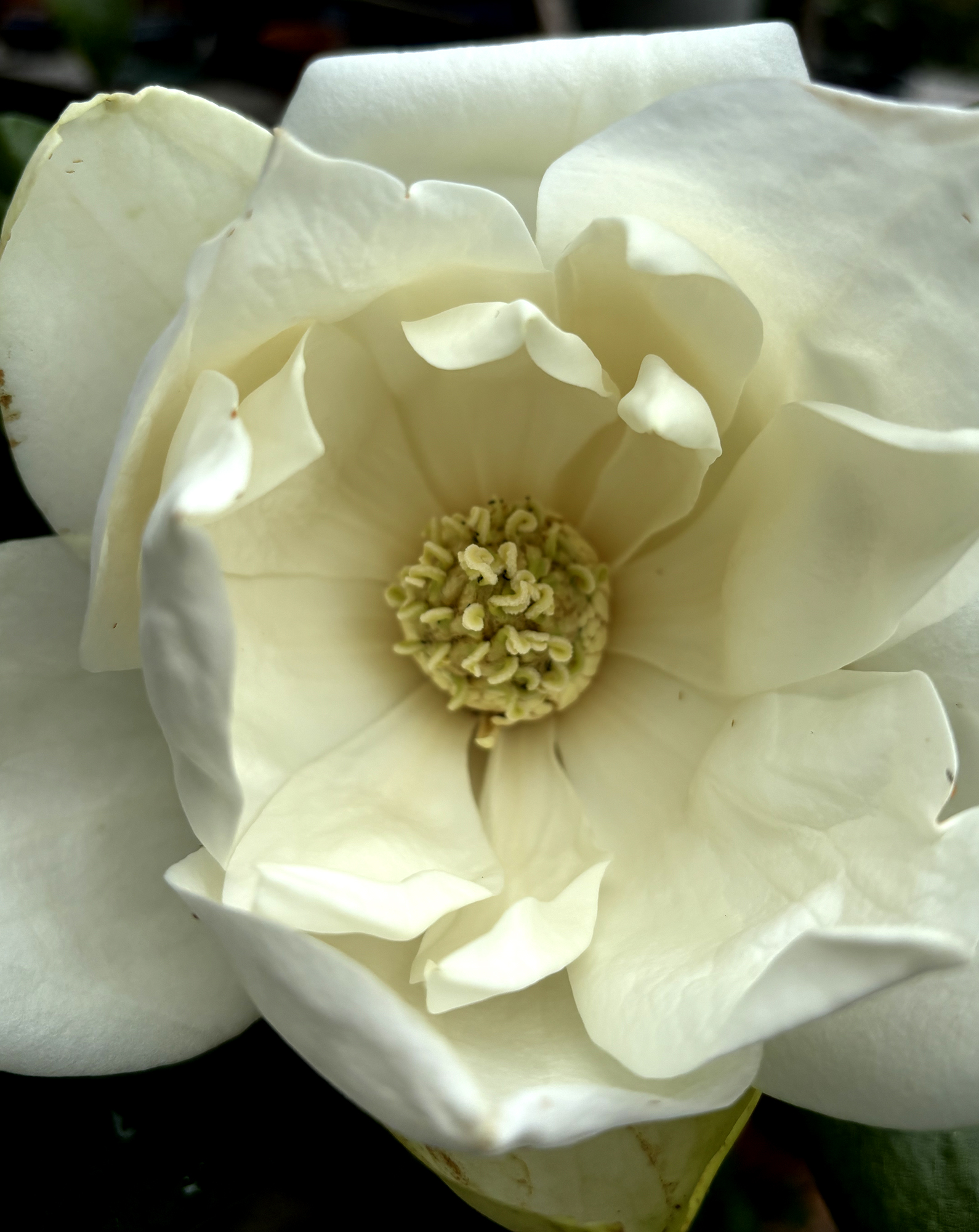
There is a stretch of road over the border, not far from here, which rolls and curves between acres of orchards. In late April each year it is lit on both sides with the colours of fruit blossom ranging from almost white to deep pink. The tightly packed rows add up to hundreds of miles of trees, some plots recently planted, others ancient. It’s a sight every bit as stunning as the olive and lemon groves of Sicily, or the lavender fields of Provence.
On the county series OS maps produced in 1888 the housing estate I live on is recorded as an orchard of about twenty acres. Only the bordering hedge now exists from that map, but our third of an acre is slowly being replanted to echo its past. I’ve introduced a lot of old varieties from the area and I’m slowly learning which ones are best suited to this steep piece of ground. All of the trees are growing well enough but some flower and fruit profusely while others stutter into leaf with barely a single blossom and the fruit falls long before it is edible. We are on the edge of the habitable land for fruit growing here, with the lowlands of Herefordshire a mile to the east and the sparse uplands of Radnorshire to the north, the Black Mountains to the south. I only know of one farm in the locality which still has a small orchard and the fruit is never harvested, instead being left to the blackbirds and fieldfares which feast on the pools of rotting fruit which surround each tree in late October. From that old map of the locality with its little geometric patterns of little trees it is the only orchard that still remains.
A few weeks ago, while driving to work, I stopped outside the entrance of an orchard surrounded by high hedges that I usually only glimpse in passing, an orchard of perhaps five acres with a few hundred trees. Every tree had been felled. They lay at identical angles, like a domino run, like the devastation wreaked by a hurricane or a bomb blast. The fallen trees still frothed with fresh flowers. The machine that had only just cut them down stood chugging, ready for the driver to finish his fag and move onto the next plot. Now the plot is cleared, not even the stumps remain to show what was once there, a signpost newly erected at the gate advertising development land for sale.
The house where I grew up had a tiny front yard in which my dad had planted a flowering cherry tree when he and my mum first moved in. The tree grew rapidly and had already reached the height of the roof by the time I was born, obscuring the view over the tower-blocks and pit head. Each spring it flowered madly and for a few weeks turned our little plot into a Japanese garden, luminescence raining onto the grass, the driveway and the road beyond. Dad was very proud of the tree but mum hated it because of the mess it made. To her it was the most invasive of weeds. So when dad was on one of his stints in hospital she told me to cut it down. I remember how the handsaw snagged in the wet wood, how the polished bark bled amber, and how bad I felt when nothing but an oozing six inch stump remained. Dad said nothing about it when they wheeled him out of the ambulance. He never mentioned the tree for the rest of his life, but he often sat at the front window, staring out at the space where it should have been. Forty years later, a scar is still there, the stump rotted out and mossed over, the dead roots making a little hillock in the patch of lawn.
—
Another garden in spring bloom, but this one is hidden away. Its granite walls are 30 feet high in places, the lane to the entrance narrow but glowing with the light that seems to emit from the ground here. There is no hint of any plant life present unless you crane your neck and see the trees in the sky. There must have been a day in my young life when I walked up this lane and heard the sound of her chisel on stone. Perhaps the calls of gulls and jackdaws, the chug of boat engines and the nearby church bells overlaid the staccato sounds ringing above me. The little house is nondescript, its door narrow. I would have walked past without any idea of the work-in-progress going on above me, her art and her garden. For years Barbara Hepworth also walked past the place which would later become her studio, home and gallery, not knowing what was behind the towering walls.
The centrepiece of the garden is a flowering cherry tree. The blossoms are almost gone now but there are a few left, hanging high above the pond, strangely late to still be here for a place so far to the south of these islands. Pale pink petals are scattered across the paths. They drift from the flowers like moth wings and cling to the sculptures. The tree’s bark has the gloss and blisters that I remember from the tree in our front yard. It is as warm and smooth to the touch as the bronze sculptures which have spent a whole day soaking up the spring sunshine. The branches reach out into horizontal space like the limbs of a dancer performing some barely possible move. I’m not sure if Hepworth trained the tree this way but it seems likely. Nearby is the sculpture “Cantata Domino”, the opening line, in Latin, from Psalm 98, “Oh Sing unto the Lord”. Its form merges the curved, organic reaching of a seedling with a pair of hands held in prayer. It is one of a series of forms she made after the death of her eldest son, the intense loss and suffering she felt giving rise to an expression of spirituality in her work that had previously been less apparent. Scattered in the undergrowth are many Hart’s Tongue ferns. Perhaps, as in my garden, they have found their own way here, pushing their roots into the shadowed areas. At this time of year they are still unfurling, creating the curled, undulating shapes that Hepworth absorbed, shapes that passed, as all art does, from sight and touch, into the imagination and back out through the hands. Hepworth wanted to be possessed by the process of making, the finding of organic and geometric forms in wood, stone and bronze. Her garden was the perfect place to create. Even as she became frail and ill, walking with a stick after a broken hip and a decade long struggle with cancer, the garden sustained her, the works of her hands fusing with the forms that inspired them. For now, the garden is well tended and preserved, left as a museum. But I often imagine a future day when the artist is long forgotten (the way most artists are), the high walls hiding a garden grown wild with weeds, an ancient cherry tree still flowering at its centre, in the undergrowth strange forms in metal and stone, echoing the shapes of blossoms and seeds, of weather-sculpted boulders and folding waves.
—
Jindai-zakura at 1800 years is the oldest flowering cherry tree on earth. Its trunk is over forty feet in diameter, its ancient and brittle branches held up with staves. But still, every year in April, it bursts into flower, part of the wave called the Sakura Zensen in Japan. The “blossom front lines” travel from south to north for a thousand miles over a three month period. Plum blossom starts first, usually beginning in early February on the island of Okinawa and finishing in Hokkaido by early April. Travelling behind it the cherry blossom front line maps the same trajectory. Very occasionally the lines cross, when there has been a particularly cold winter or warm spring, and the cherry blossoms catch up and overtake the plums. The line is traced via a series of weather stations and sample trees in the different districts. Trees are selected carefully and monitored closely. First bloom is measured when five flowers have opened on the tree, full bloom when eighty percent of the flowers are open. This is when Japanese people gather to eat and drink beneath the trees in celebration of the arrival of spring. It’s a tradition with roots as deep and ancient as the Jindai-zakura tree. The flowering cherry is a powerful symbol in the culture. Its brief but ecstatic flowering represents life and death, how we burst forth into the world then quickly fade and drift back to the soil.
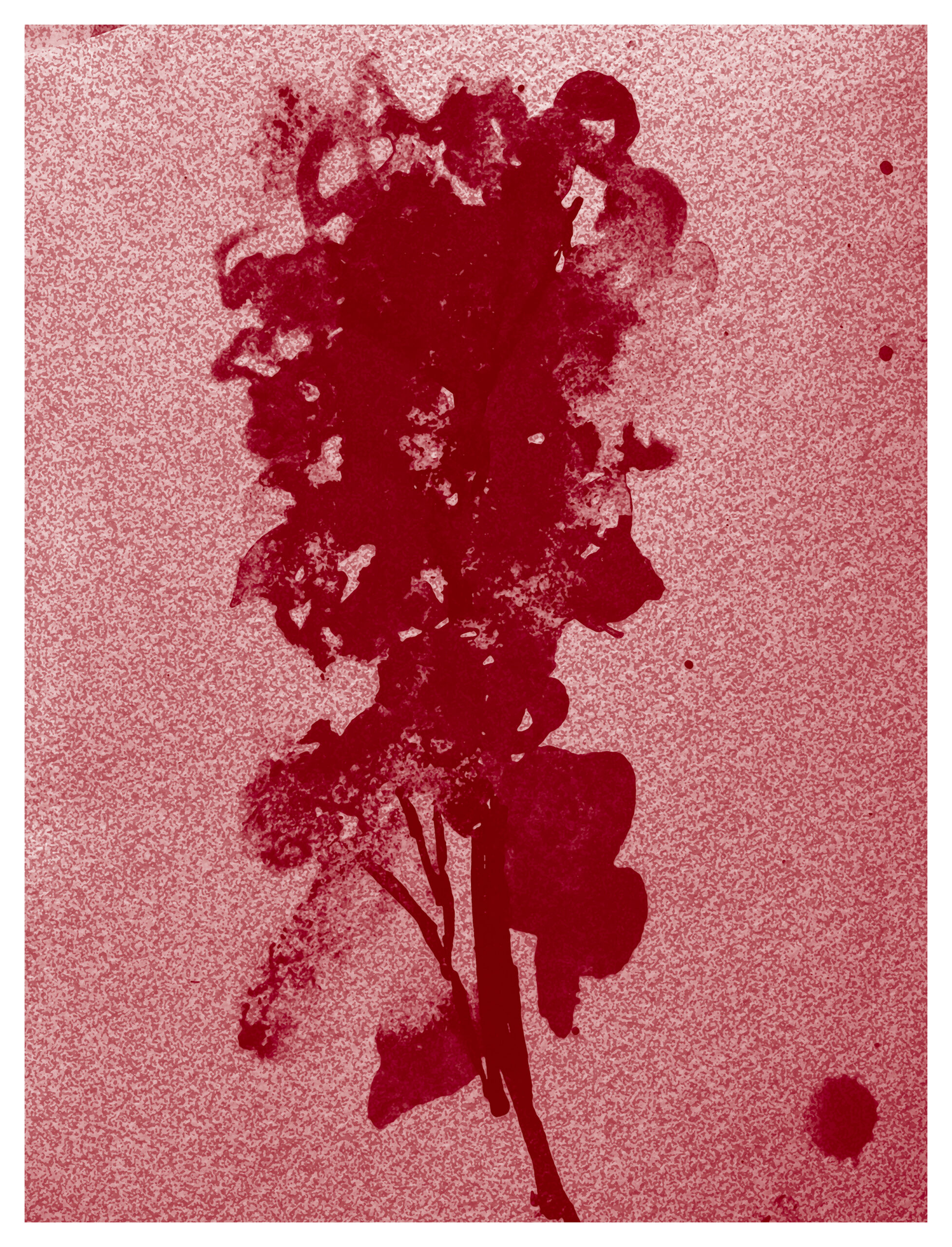
Five springs have passed since the first version of this story was written. Our big garden which was once an apple orchard is now owned by someone with no love of flowers. The last time I passed the house I barely recognised it, it seems to have become a gathering place for sheds. We live on the English side of the border now, in orchard country which is still thriving, though our little cottage has only a tiny yard with a few plants in pots. Last year I bought a white magnolia tree which has survived the cold winter and is now pushing long and pointed buds into the air. Soon they will burst open and our little yard will be scattered with huge white petals, messy things. In our little way we’ll be part of the blossom tide which also spreads across these islands. It’s in the wilder places though where you can really witness it, the steep woods filled with bluebells and wild garlic. There the tide flows strongest, accompanied by birdsong. The song thrushes are in full flow now, and the blackbirds, singing it in. Soon the migrants will be here, the chiffchaffs, warblers and flycatchers.
A week, maybe two, and this place will be at high tide.